

Having the facts about sugar and unrefined sugar can lead to healthier eating choices. Get started with these tips and our unrefined sugar recipes!

Disclosure: Lindsay Cotter is a certified nutrition specialist, and does not have a medical degree. The information in this post comes from reliable medical resources, but should not be taken as medical advice. We recommend that you consult with your doctor before starting any new eating program or making changes to your diet.
Facts About Sugar
If you don’t fully understand the difference between refined and unrefined sugar, don’t worry – you will soon!
From the time of birth, our bodies crave sweet foods. The thing is, there’s a big difference between foods that are naturally sweet or made with raw sugar and those sweetened with refined sugar.

Raw Sugar vs Refined Sugar
Both raw, unrefined sugar and refined sugar come from the same source; sugar cane plants.
To create sugar, the cane is shredded, mixed with water, and crushed between rollers to extract the juice.
Then, before the juice is boiled and evaporated to form sugar crystals, the cane juice goes through filtration to remove any sediment.
In this state, the cane crystals are referred to as raw sugar, unprocessed sugar, or turbinado sugar. Turbinado crystals are golden brown in color, and much larger than refined sugar crystals.
To become refined sugar, it is processed further, to strip the color and any residual molasses from the crystals.
How Refined Sugars Affect The Body
Sugar provides our bodies with important carbohydrates, but refined sugars (also known as sucrose) are processed sugars. Rapidly absorbed into the bloodstream, refined sugar can cause unhealthy spikes in blood sugar and insulin levels.
Even more concerning, those spikes can increase the risk of diseases like diabetes. *Note – people with type 1 diabetes will need to take supplemental insulin on an long term/daily basis.
There is some good news, though! Medical science shows there are significant health benefits to reducing the amount of sugar we eat!
According to research studies, lowering the intake of refined sugar can be beneficial in the following ways:
- improve brain function, including memory retention
- clearer, healthier skin and nails
- increased energy and less general fatigue
- deeper sleep and better sleep patterns
- less bloating
Refined Sugar List
All of these foods are categorized as refined sugars and should be avoided while you’re on an unrefined sugar diet.
- white flour
- evaporated cane juice
- instant starches
- light and dark corn syrup
- high fructose corn syrup
- brown sugar (made by adding molasses back into refined white sugar)
- fructose
- processed artificial sweeteners
Hidden Sugars
Here are just a few of the hundreds of chemical forms of sugar that are commonly found in processed foods:
- Dextrose
- Dextran
- Dextrin
- Sucrose
- Maltodextrin
- Maltose
If you see these on nutrition labels, be conscious of the amounts. You could be consuming more ADDED sugar than you realize and this can affect blood sugar. Be MINDFUL. I say that politely, and I’m reminding myself.
Note: Be sure to always read nutrition labels. Swap out those foods with hidden sugars or refined sugars.
How Much Sugar A Day Is Okay?
According to the World Health Organization, no more than 5 percent of total calories eaten per day should come from added sugars. Based on a 2,000 calorie diet, that equals about 24 grams or 6 teaspoons of added sugars per day.
The American Heart Association, recommends that adult males consume no more than 9 teaspoons of added sugar per day (36 grams, approx. 150 calories).
Adult females should consume no more than 6 teaspoons of added sugar per day (24 grams, approx. 100 calories).
Is Fruit Sugar Bad?
Fruit sugars, also known as fructose, aren’t bad when eaten in moderation. However, depending on your body, you may be sensitive to fodmap fruits. These are fruits with a higher glycemic content, like certain varieties of apples, apricots, cherries, and watermelon, among others.
If high-FODMAPs are a problem for you, see our low fodmap meal plan for suggestions.
Lower Sugar Swaps
If you are looking to lower your daily intake of sugar, you can make some of these easy swaps to help you do just that!

Healthier Sugar Alternatives
Here are some examples of unrefined sugar/naturally refined sugars.
- Yacon Syrup – Made from the roots of the yacon plant. Not recommended for high heat cooking, but it has a third of the calories of white sugar!
- Stevia – Made from stevia plant leaves. No calories and hardly has an effect on blood glucose levels.
- Raw Honey – Nature’s candy! Be sure to look for PURE raw honey; it has a low GI, while cheaper kinds of honey have a high GI.
- Sucanat – Whole unrefined cane sugar. Sucanat is basically pure dried sugar cane juice. Because it is unrefined, it contains trace amounts of minerals such as iron, Vitamin b6, potassium, and calcium. Sucanat also retains all of the cane’s natural molasses, which means it keeps that rich brown colors and molasses flavor.
- Turbinado (raw sugar) – This is minimally refined cane sugar, so use it in moderation.
- Pure Maple Syrup – Made from maple tree sap. Don’t confuse this sugar alternative with pancake syrup; there’s a big difference.
- Agave Syrup/Nectar – The sugar alternative is made from the agave plant. Don’t go hog wild on this one though; it has a high percentage of fructose, which can potentially be harmful if consumed in high quantities.
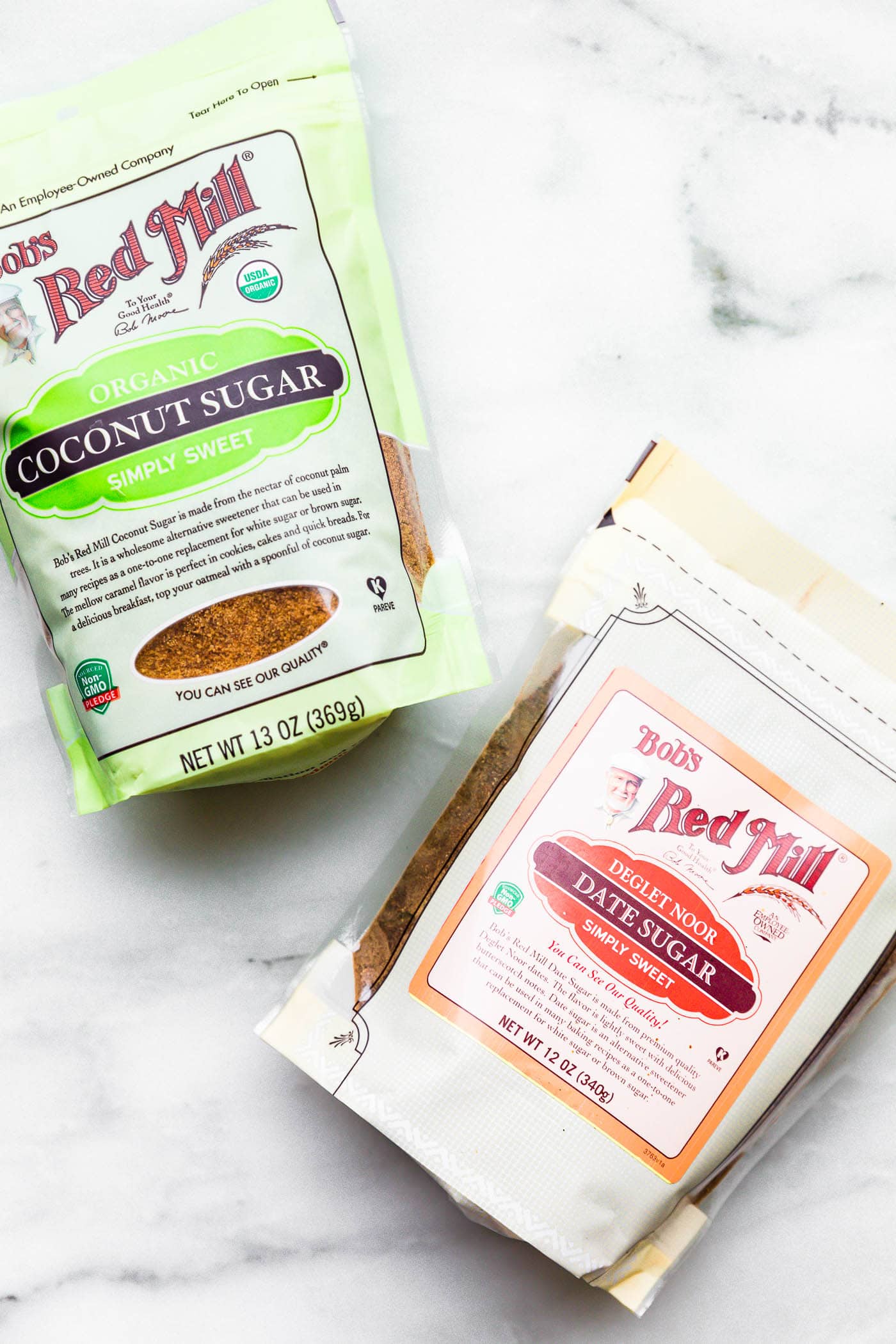
- Coconut Sugar – No, coconut sugar is not made from coconuts! Instead, it’s made from the sap of coconut palm tree blossoms.
- Date Paste / Date Sugar – My favorite sweetener for those on Whole30! I use it quite often, especially for making things like Sticky Date Cake Yogurt Bowls.
Making this sticky sugar substitute is simple to do! Check out my recipe post to learn how to make date paste. - Monk fruit, also called Luo Han Guo, has been used as low cal sweetener for centuries. Nowadays, it’s easier to find in grocery stores in the U.S.
Note: Monk fruit contains compounds that, when extracted, are natural sweeteners. This sweetener is almost 300 times sweeter than cane sugar, has little to no calories, and it doesn’t affect blood sugar.
Again, be sure to check that the monk fruit sugar/product you’re using doesn’t contain additional additives with GMO-derived sugar alcohols.
The Facts About Sugar Alcohols
Sugar alcohols are artificial sweeteners like sorbitol, maltitol, xylitol, etc. Despite the name, sugar alcohols don’t contain grain alcohol.
While they are low in calories, naturally derived, and can be substituted cup for cup, be mindful of how often you use them.
This is because sugar alcohols have been known to produce excessive bloating and frightful gas. Plus, many sugar alcohols are not sold in their pure state.
Many of the sugar alcohols used in foods and beverages today are derived from GMO sourced cornstarch. As a result, make sure to check the brand for added GMO starches, etc. (source)
There are some organic, non-GMO natural sugars available, which are great for easing your way into an unrefined sugar diet.
- Coconut sugar
- Date sugar
- Minimally processed turbinado sugar
Bottom Line: Sugar & Your Body
At the end of the day, all sugars (yes, even NATURAL sugars) can have an impact on your overall health. It’s important to figure out the sugar intake that’s right for you.
Some people can handle a little bit of sugar in their diet, while for others, it may cause binge eating, rapid weight gain, and disease. Every individual is unique and you need to figure out what works for you.
Recipes with Unrefined Sugar
Now that you know the facts about sugar, let’s get to work! Ready to swap out meals with added refined sugars for healthier meals?

Breakfast Recipes
Swap out your unhealthy breakfast for the meals below. The average American breakfast is loaded with refined sugars!
We see them most often in the form of:
- white sugar sweets like scones, donuts, and cinnamon rolls
- dairy products with sugar
- white flour
- sweetened jam made with corn syrup and citric acid
- canned fruit in syrup
- microwavable instant oats
- fast food breakfasts like egg sandwiches and smoothies with concentrated juices or syrups.
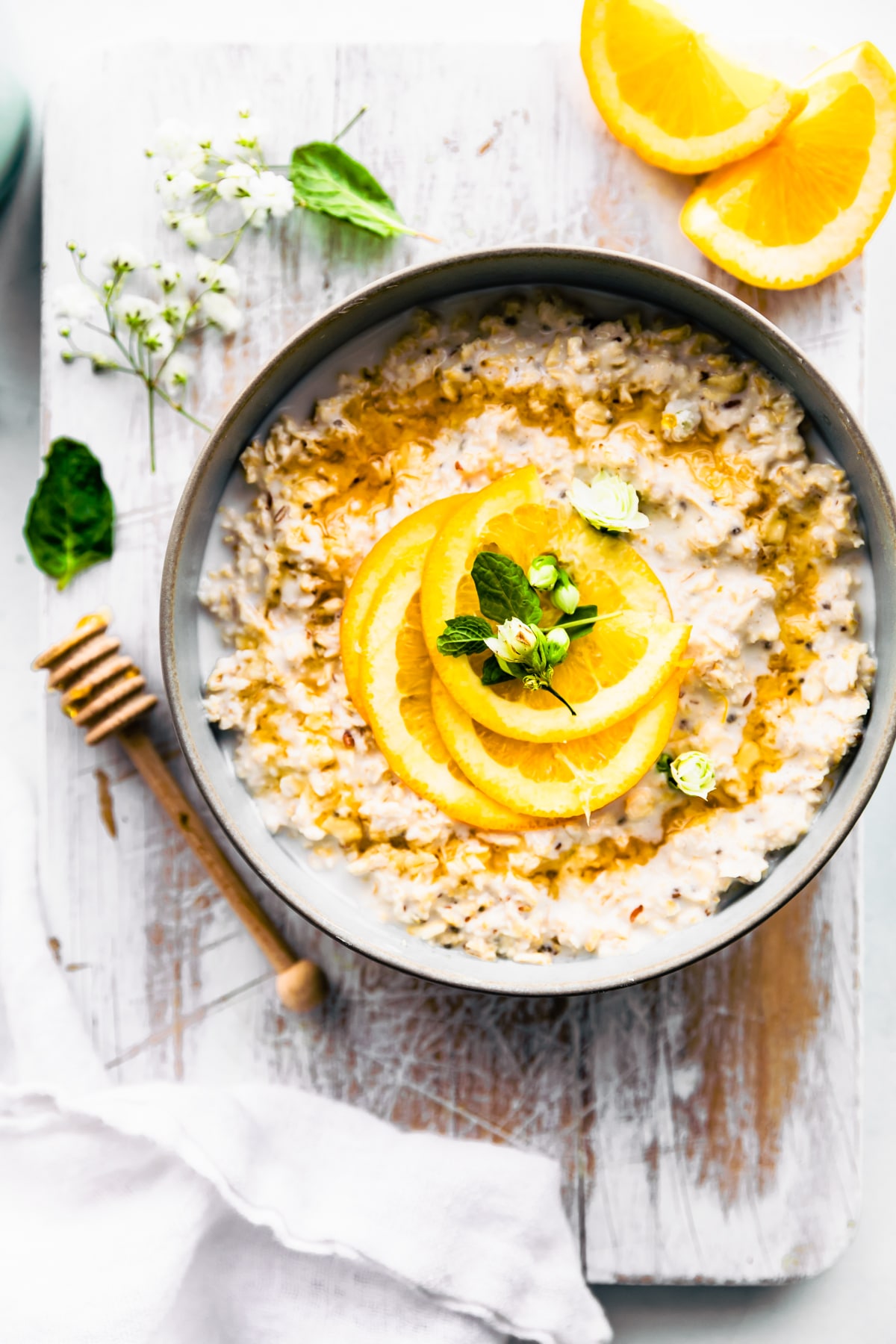
Overnight Orange Protein Oats
Swap the microwave oatmeal cups for a much healthier option, with fresh orange juice for extra vitamin C!
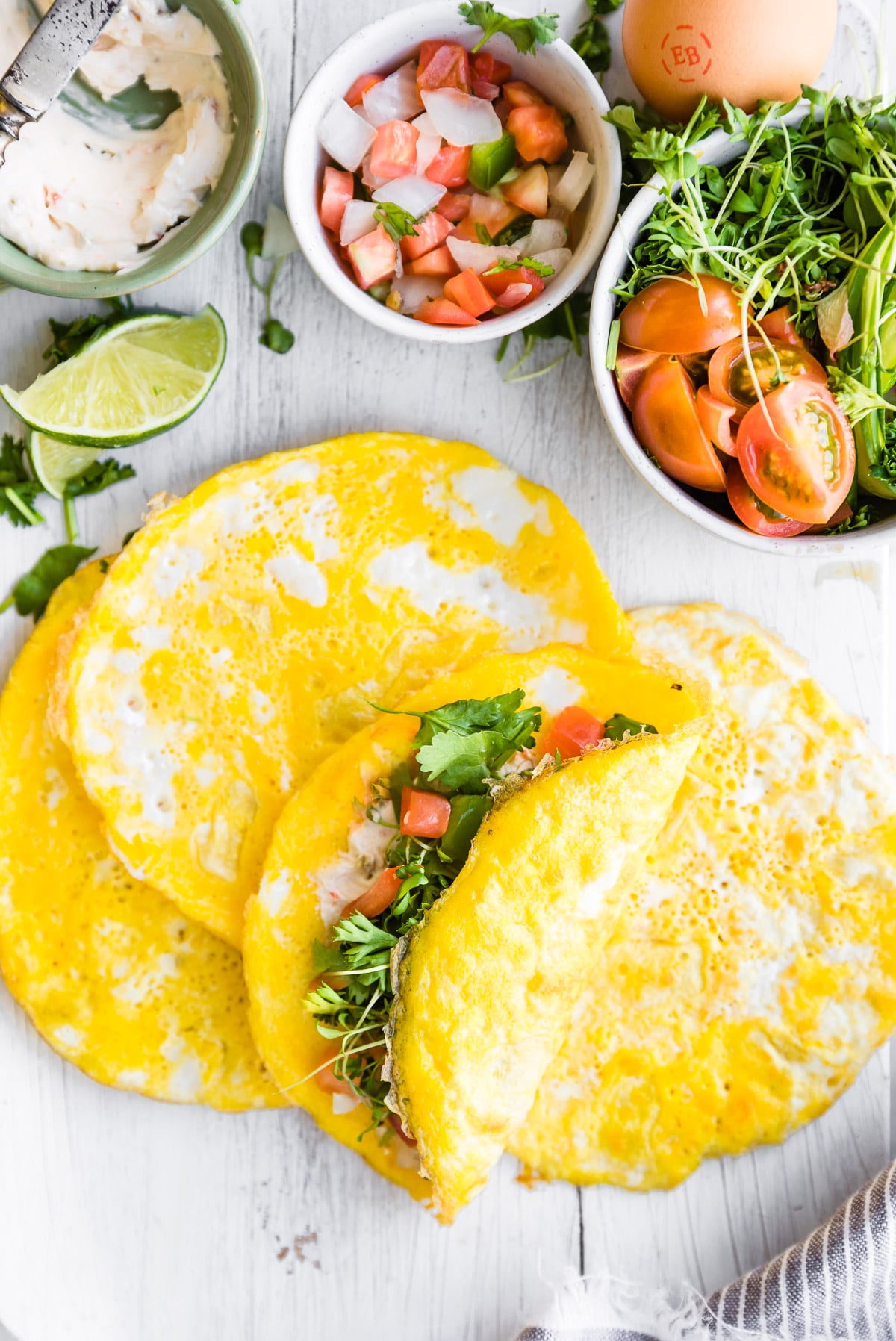
Paleo Breakfast Egg Wraps
Normal breakfast tacos often contain sauces with hidden sugars, and even the bread/tortillas could contain sugar. So, we are making our own fresh salsa and using high protein eggs as a wrap.

Almond Butter Banana Breakfast Cookies
No chance of hidden sugars when you’re using all-natural nut butter. For a fun flavor swap, make this recipe using homemade cashew butter. Skip the chocolate coating, or use pure dark chocolate for this recipe.

Sheet Pan Chocolate Protein Pancakes
Not only are these a fun way to make a healthier swap for traditional pancakes, but it’s also a quicker way to make them!
Refined-Sugar-Free Lunch Ideas
Refined sugars hide in packaged condiments, dips, salad dressings, and deli meats. Even foods that label themselves as healthy may have refined sugar, such as gluten-free breads, chips, crackers, nut butter!

Romaine Salad with White Beans
This chopped Romaine salad with white beans is hearty, refreshing, and packed with plant-based protein. Tossed in a tangy vinaigrette, it’s perfect as a side or main dish!
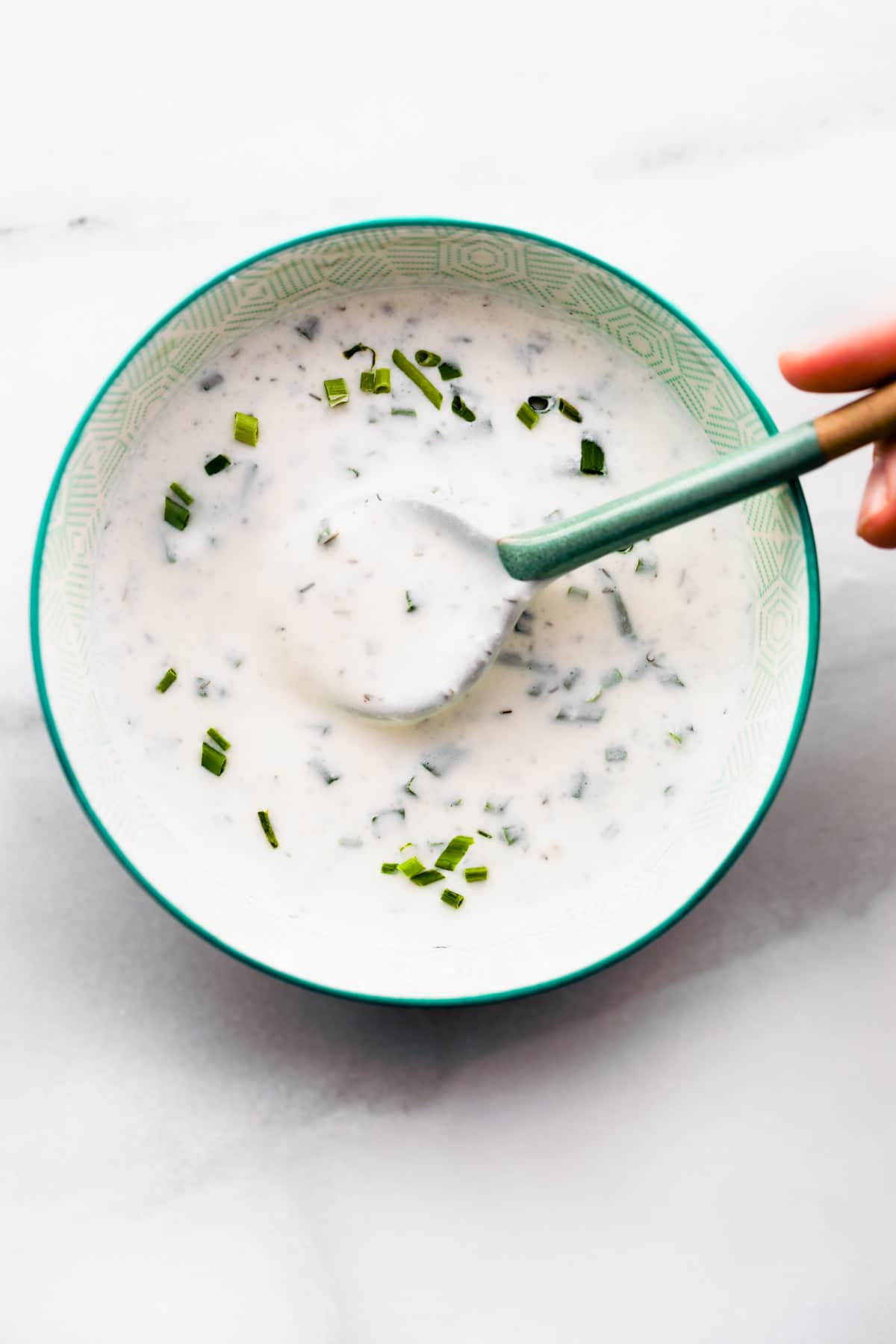
Spicy Vegan Ranch
The facts about sugar are, they hide everywhere, even in salad dressing! Make your own and hold the refined sugar.
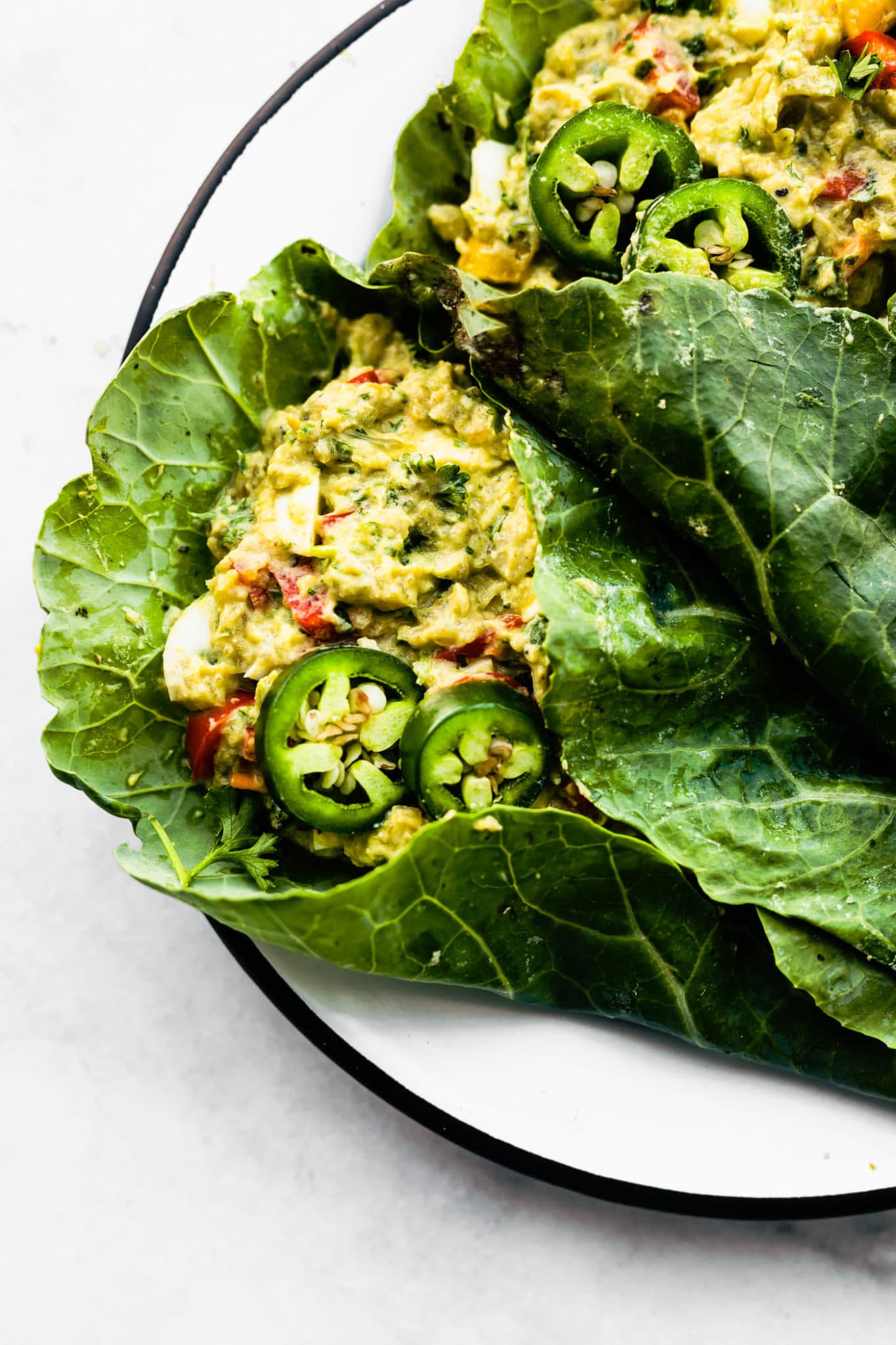
Mexican Avocado Egg Salad Wraps
Mexican Avocado Egg Salad Wraps are loaded with vitamins, nutrients, and flavor for a healthy recipe that’s quick to make and perfect for meal prep!

Asian Chicken Salad Wraps
Make these Asian chicken salad wraps with simple ingredients for a mayo-free, sweet, and tangy recipe perfect for meal prep!
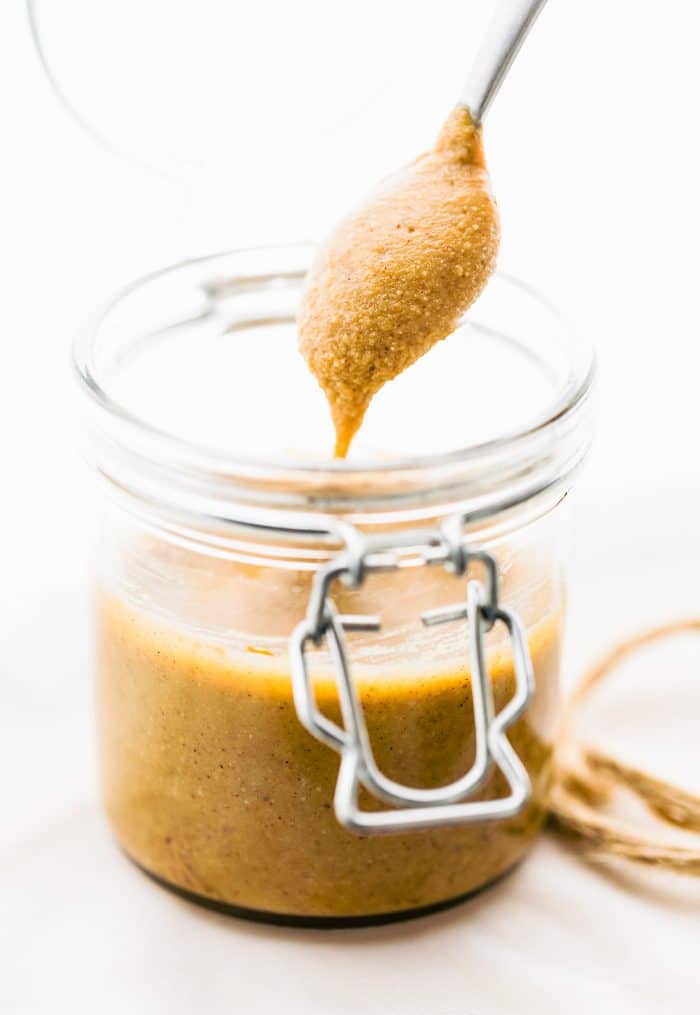
Homemade Cashew Butter
Swap out the store-bought peanut butter with homemade cashew butter made with only simple ingredients and a variety of flavor options!
Refined-Sugar-Free Dinner Recipes
The facts about sugar hidden in dinner may surprise you! These options are usually crammed with sugar:
- Canned soups
- Pasta sauces
- Restaurant carry-out- Chinese sauces are loaded with sugar, for example)
- Convenience deli or frozen meals (check all ingredients!)
- Meats/fish with marinades or sauces that contain added sugar.
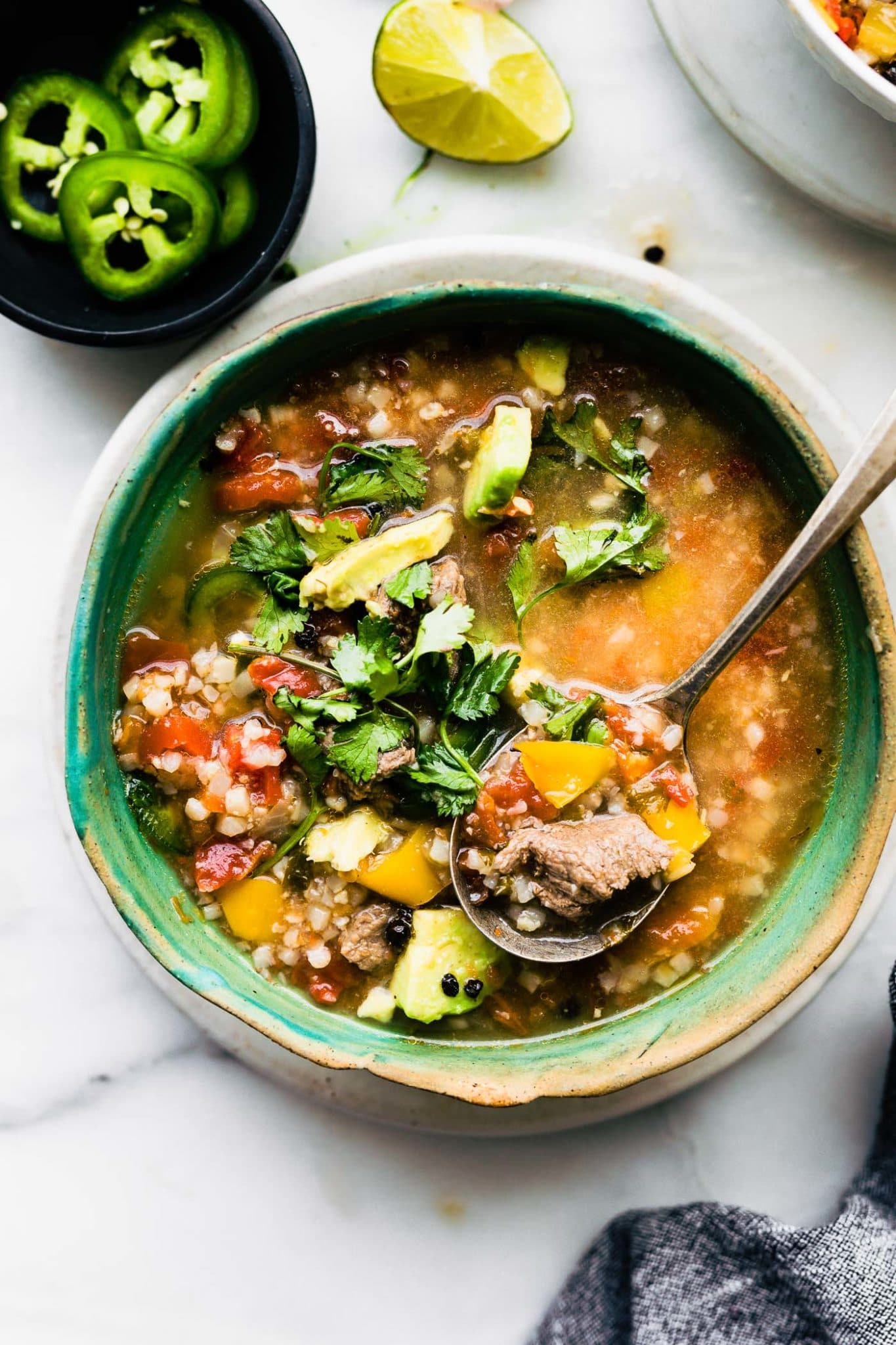
Fajita Steak Soup
Make this fajita steak soup in the Instant Pot or on the stovetop for a hearty, protein-rich, gluten-free soup perfect for busy weeknights and meal prep!
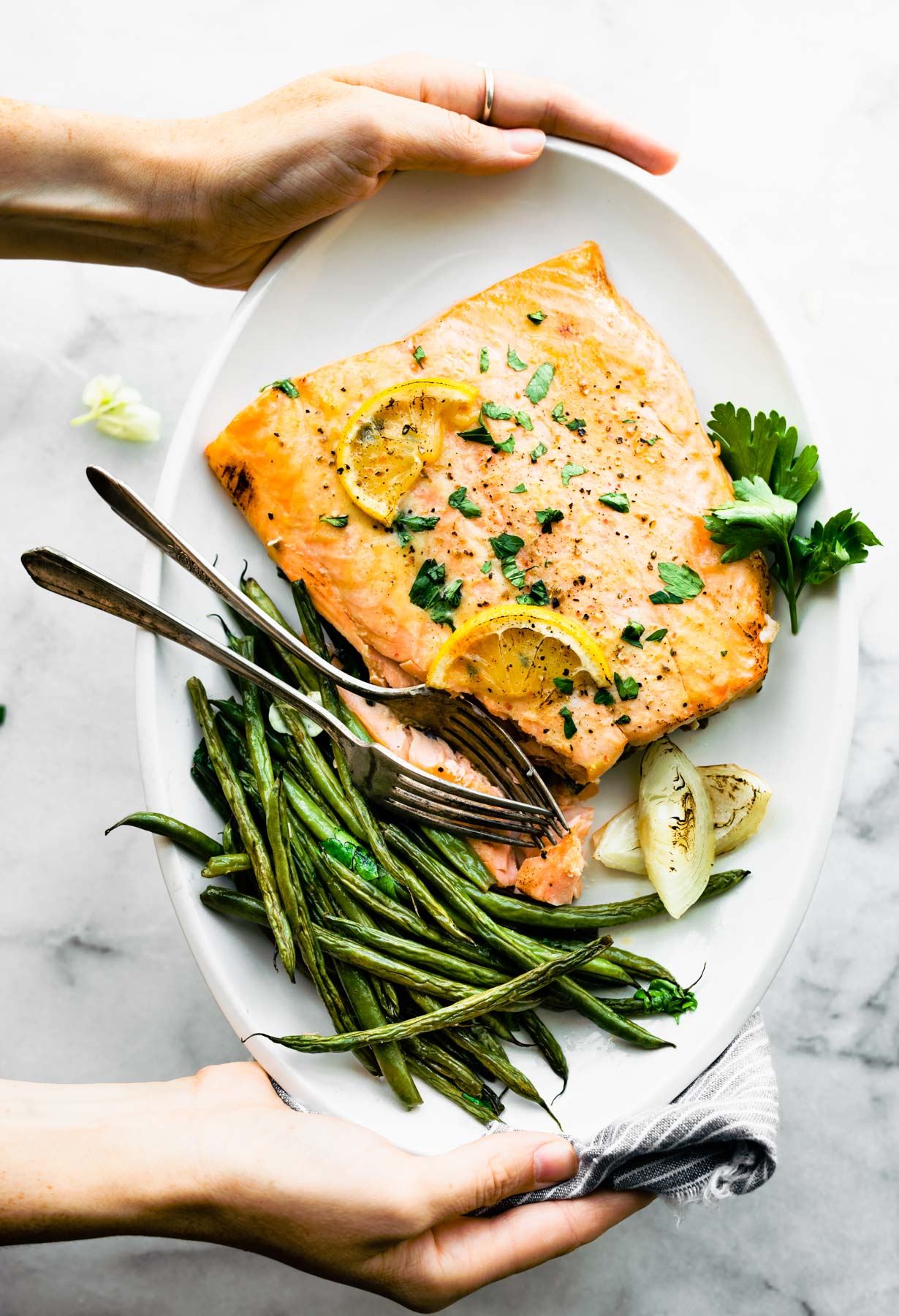
Maple Dijon Salmon
This baked maple mustard salmon cooks in ONE pan in 15 minutes, using just 5 ingredients! By the second time you make it you’ll have the recipe memorized.

Healthy Paleo Chicken Teriyaki
Healthy chicken teriyaki that’s Paleo and Whole 30-friendly
Drinks and Desserts with Unrefined Sugar
There are plenty of so-called sugar free ice cream options at the store, but many of them have refined artificial sugars.
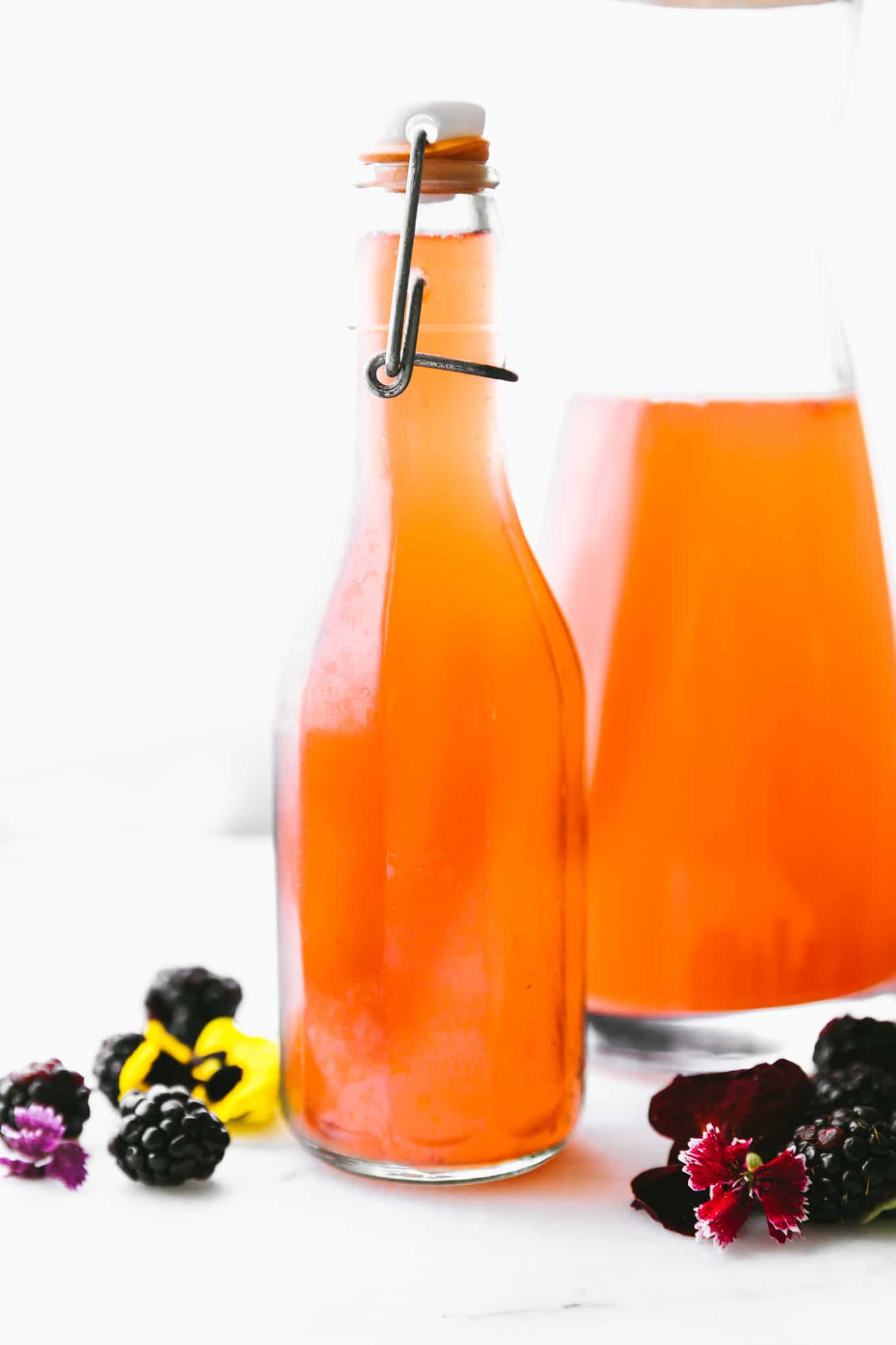
Homemade Fruit Kvass
This homemade Fruit kvass with blackberry lime and mint is a gluten free version of a popular Russian fermented drink.Loaded with probiotics, it’s a refreshing, tangy, bubbly drink that you can make right at home.

Banana Coconut Milk Nice Cream
This banana coconut milk nice cream recipe makes a creamy vegan and dairy-free dessert with tropical flavors! Healthy soft serve, made in a blender! Paleo + Whole30 options, too.

Vegan Espresso Chocolate Sorbet
No Churn Dark Chocolate Espresso Sorbet {Vegan}
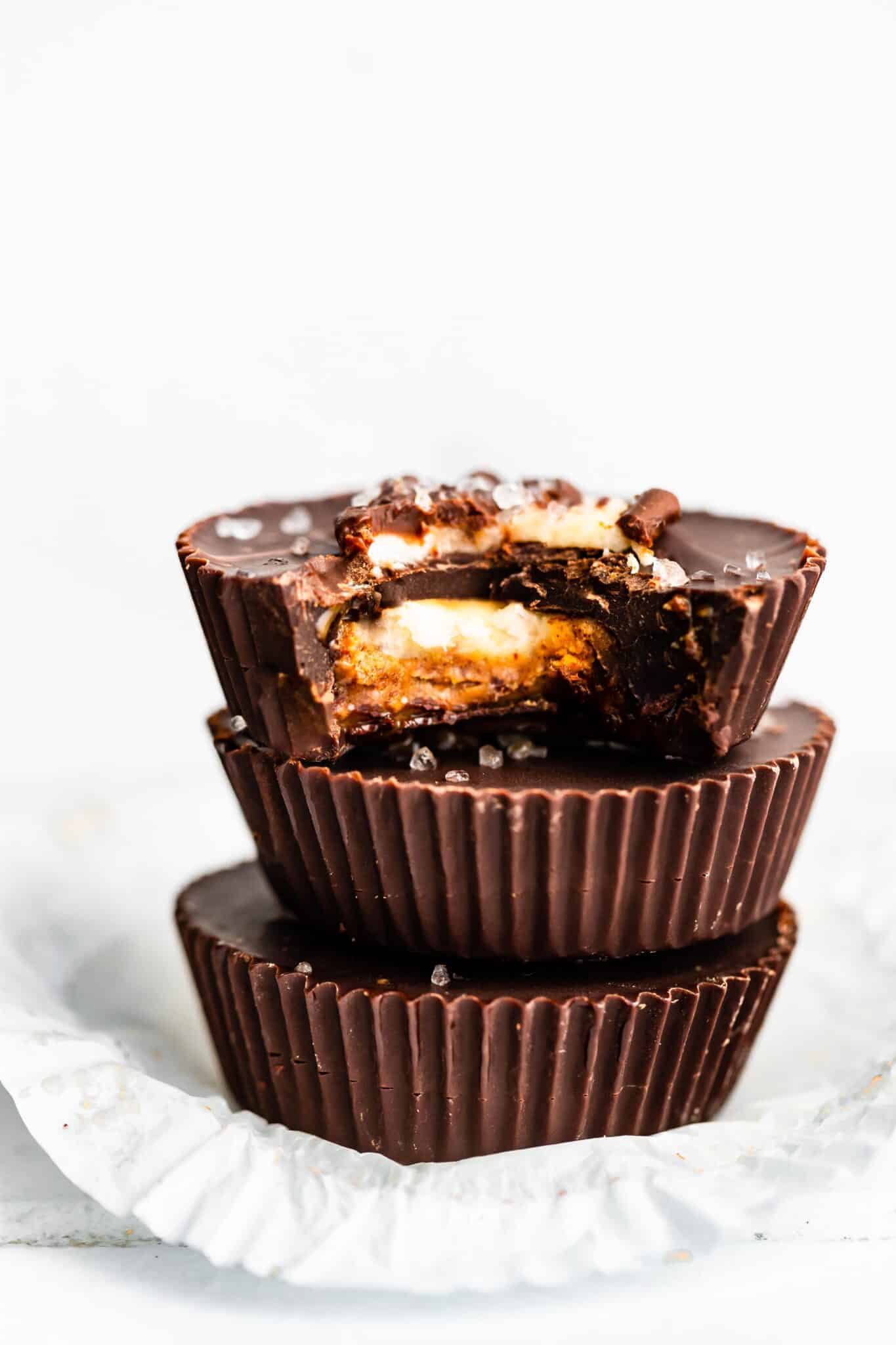
Chocolate Almond Butter Cups
Skip the store-bought options, and make these homemade almond butter cups with dark chocolate and bananas for a better-for-you treat!










Thank you for so many delicious dishes shared, I enjoyed and appreciated your articles.
The problem isn’t the sugar by itself, but the process and the amount that we use.
This was a good read, Lindsay. Thank you for targeting “refined sugar” and not just added sugar.
I wanted to add something: If you want to reduce the sucrose in your diet, you don’t actually need to buy a new sweetener over regular white sugar. You don’t even need to change up your recipes. No, not even for baking!
Toast your sugar.
Some call toasted sugar “granulated caramel,” which it techincally is. Call it whatever you want, it’s amazing! The more tan it gets, the less sweet it becomes while gaining a more complex flavor profile—from spun sugar to a nutty caramel, depending on how tan. The heat will degrade most of the complex sucrose into fructose and glucose, making it have a lower glycemic index—yet it can still be used 1:1 with white sugar (something brown sugar can’t do).
The basics of toasting sugar: In glass bakeware tray, toast regular white sugar at 162C/325F (bake time depends on flavor desired and amount being toasted; it varies but a pound may take around 2 hours to get a medium tan). As long as you stir often, particularly around the edges and bottom of the bakeware (every 20 mins or so), it will retain its crystalline structure. Some clumping may happen which can be sifted out or added to food a processor.
You can actually make your sugar taste better. And make it potentially less of a health hazard, just with an oven and glass bakeware. Win/win.
Hope this helps someone.
Oh wonderful advice! Thank you for those tips Jeremy.
Sugar addiction is one of the reasons for the high levels of obesity in western society.
Processed sugars can definitely be hard on your health, that’s for sure!
This is really helpful! Thank you so much for sharing!
Anytime my friend! Thanks for feedback.
So much good information – thanks for taking the time to share it with us. I like to experiment with alternative sweeteners beyond white refined sugar.
I love this! so informative!
great resource and reminder for some of these and a lot of new information, at least for me on others, especially in the natural sugar category, which ones are good and which bad for instance, thank you!
So much great information here! Thanks for laying it all out for us!
Happy to Help Leigh Ann! Great reminder for me too.
Thanks for this! I need to seriously cut down on my refined sugar intake.
Such great info! I could really use this. Thanks so much for sharing!
This is excellent! Refined sugar free over there now, for sure.
Thank ya! ?
Love it! What’s your favorite SF recipe? I know you must have one!
Your Maple Tahini Brownies recipe and Kelly Leveque’s Freezer Fudge recipe.
It makes me happy this is focused on refined sugar, as opposed to nature’s sweeteners like fruit, dates, honey.