


This Healing Herbs and Spices Guide breaks down everything you need to know about herbs and spices including how to use them to enhance your health and boost the flavor of all your favorite foods. Pick your favorite, and find a full day of eating to incorporate them into your diet with ease!

Ancient Remedies
From food preparation to medicinal practices, both herbs and spices have been a part of human culture for as far as we have historical records. Research has shown that even cavemen used leaves to wrap meat and enhance their flavor! Herbs and spices also played a huge role in Egyptian times, the evolution of the silk road, and even the role spices played in wars!
The uses of herbs and spices extend well beyond the realms of cooking, and humans have been relying on herbs and healing spices for centuries. For now, we’ll stick to using them for cooking, though.
I think it’s important to understand why exactly herbs and spices are, why they’re beneficial, and of course, how to use them! I’ve created a complete herbs and spices list to provide you with healing spices and herbs that will not only make your food taste great but also help improve your health.

What Are Herbs and Spices?
Although often used interchangeably and derived from plants, herbs and spices are actually two separate things. Take a look below to learn the differences!
Herbs
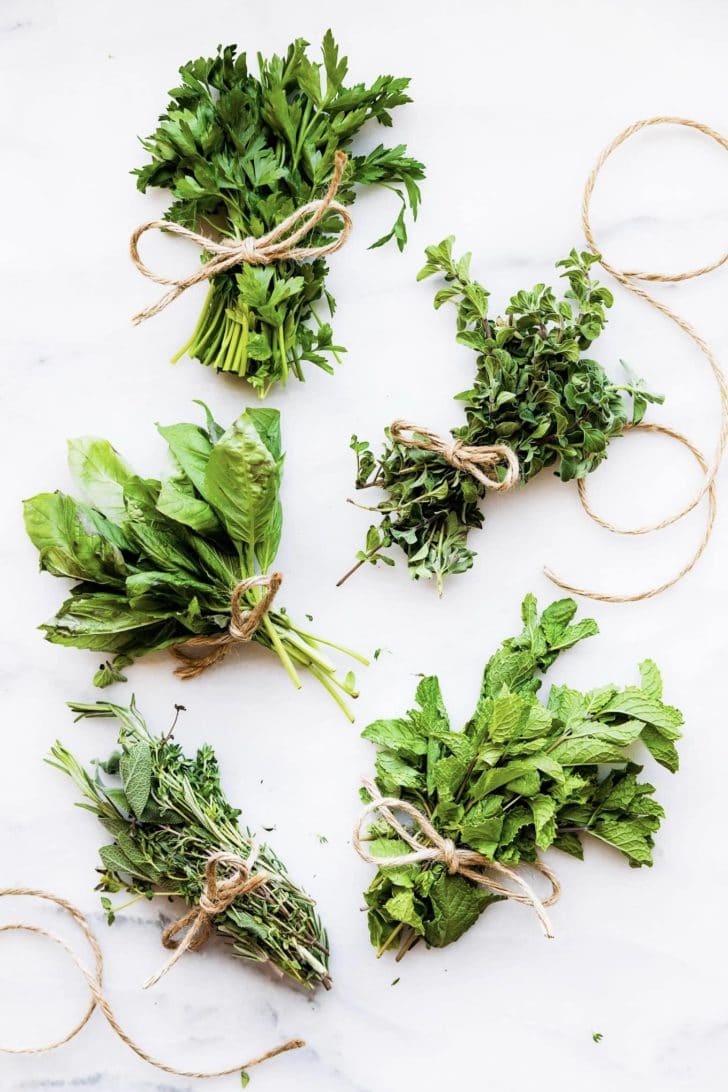
When cooking, herbs are considered as being the leafy green parts of plants that are fragrant and used to add flavor or seasoning to a dish. They range in all shapes and sizes including large, thick leaves such as those of basil or small, delicate leaves such as cilantro.
Spices
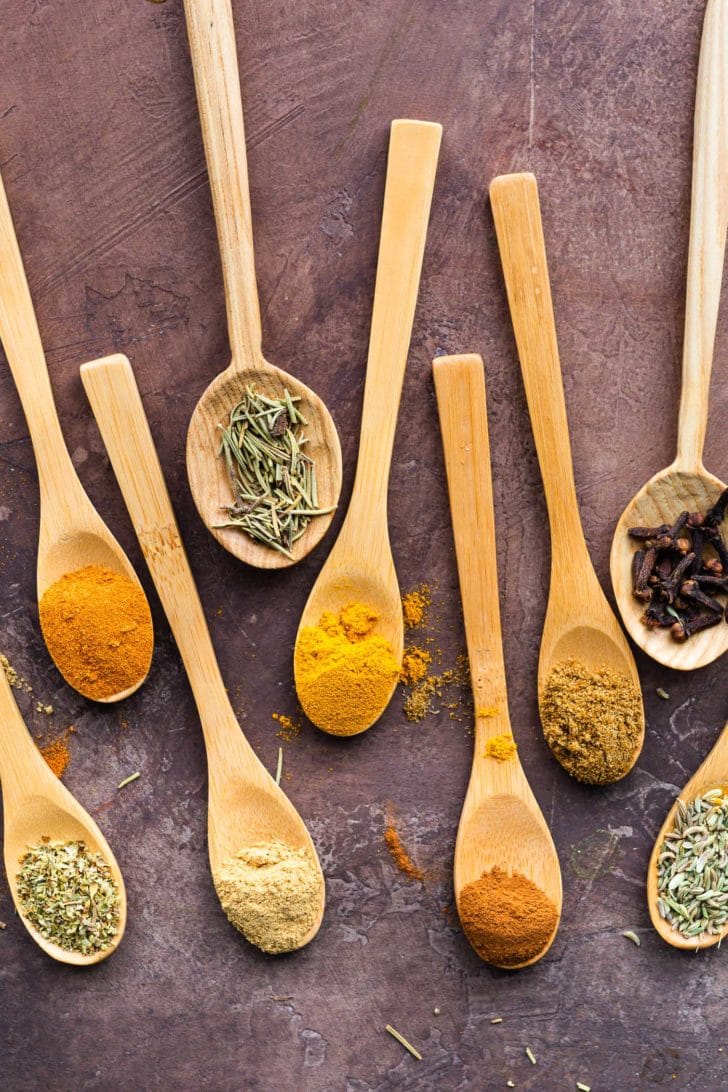
Spices are all parts of a plant other than the leaves used for cooking such as the bark, roots, berries, and seeds. In addition, unlike herbs, spices are dried and typically ground.
Health Benefits of Herbs and Healing Spices
Both herbs and healing spices have similar health benefits. However, each ingredient provides different benefits. In general, both herbs and spices can be used for a wide variety of benefits such as reducing the risk of heart disease, cancer, and diabetes, improving brain function, reducing inflammation, boosting immunity, and more.

Herbs List
- Basil – A good source of vitamin K, basil may help improve cholesterol levels, prevent cancer, and increase mental awareness.
- Parsley – Parsley is rich in vitamins A, C, and K which can help with blood clotting, improving bone health, and boosting immunity.
- Cilantro (also known as coriander or Chinese parsley) – Including cilantro in your diet has many benefits including lowered blood sugar, boosted immunity, improved heart and brain health, and improved digestion.
- Mint – A great source of vitamin A and antioxidants, mint can help improve digestion, improve brain function, and boost immunity.
- Rosemary – Rich in iron, calcium, vitamins A, C, and B6, rosemary helps reduce inflammation, boosts immunity, improves blood circulation, and is even thought to help relieve heartburn, gas, and indigestion.
- Thyme – Thyme can help boost immunity and lower blood pressure.
- Oregano – Oregano is rich in antioxidants which can help neutralize free radicals in the body and protect against cancer, prevent illnesses, and reduce inflammation.
Spices List
- Cayenne – Cayenne pepper is a good source of vitamins C, A, B6, and K which can help improve eyesight, boost immunity, improve digestion, and clear congestion.
- Cloves – Cloves are rich in manganese and may help protect against cancer, improve liver health, regulate blood sugar, improve bone health, and reduce stomach ulcers.
- Fennel Seed – Fennel seeds are a good source of a variety of vitamins and nutrients including vitamin C, calcium, magnesium, potassium, and manganese and can help improve heart health, protect against cancer, and reduce inflammation.
- Ginger – Ginger is high in gingerol and contains anti-inflammatory and antioxidant properties, helping to cure nausea, reduce symptoms of osteoarthritis, lower blood sugar, improve indigestion, and lower cholesterol levels.
- Cinnamon – Rich in antioxidants, cinnamon helps reduce inflammation, prevent the risk of heart disease, improve insulin sensitivities, lower blood sugar levels, and help the absorption of nutrients from food.
Note: Cinnamon can be found in two forms including Ceylon cinnamon and Cassia cinnamon. Cassia cinnamon is what is most commonly found in grocery stores, but both are beneficial.
- Cumin – A good source of antioxidants, cumin helps control blood sugar, boost immunity, reduce inflammation, lower cholesterol, and improve memory.
- Turmeric – Curcumin, the main ingredient in turmeric, has hugely beneficial anti-inflammatory properties and can help boost immunity, lower the risk of heart disease, reduce symptoms of arthritis, and fight depression.
- Star Anise – Made from the fruit of Chinese evergreen trees, star anise is used both for its flavor and medicinal properties. It’s rich in antioxidant and can help boost immunity.
Storage Tips
Herbs
For long-lasting herbs, cut roughly ½ inch from the bottom of the stems, and place the herbs upright in a jar with a small amount of water. Then, loosely cover the leaves with a plastic bag, and store them in the fridge for up to 5 days.
Not sure what to do with an abundance of herbs? No worries. We’ve got you covered with a step-by-step guide on how to preserve herbs and recipes to use them!
Spices
Make sure your spices are in airtight containers and store them in a cool, dry place such as a spice cabinet or pantry. Store whole spices for up to 2 years, and swap out ground spices every 6 months.
Storage Tip for Spices: Keep red spices such as paprika and red pepper in the refrigerator! This will help them keep their color and retain their flavor for longer.
How to Use Herbs and Healthy Spices
Both herbs and spices are meant to be used to enhance the natural flavors of foods rather than to mask or disguise them. In some cases, they can be combined, but it is important not to use too many at once so as not to overpower the dish.
Herbs
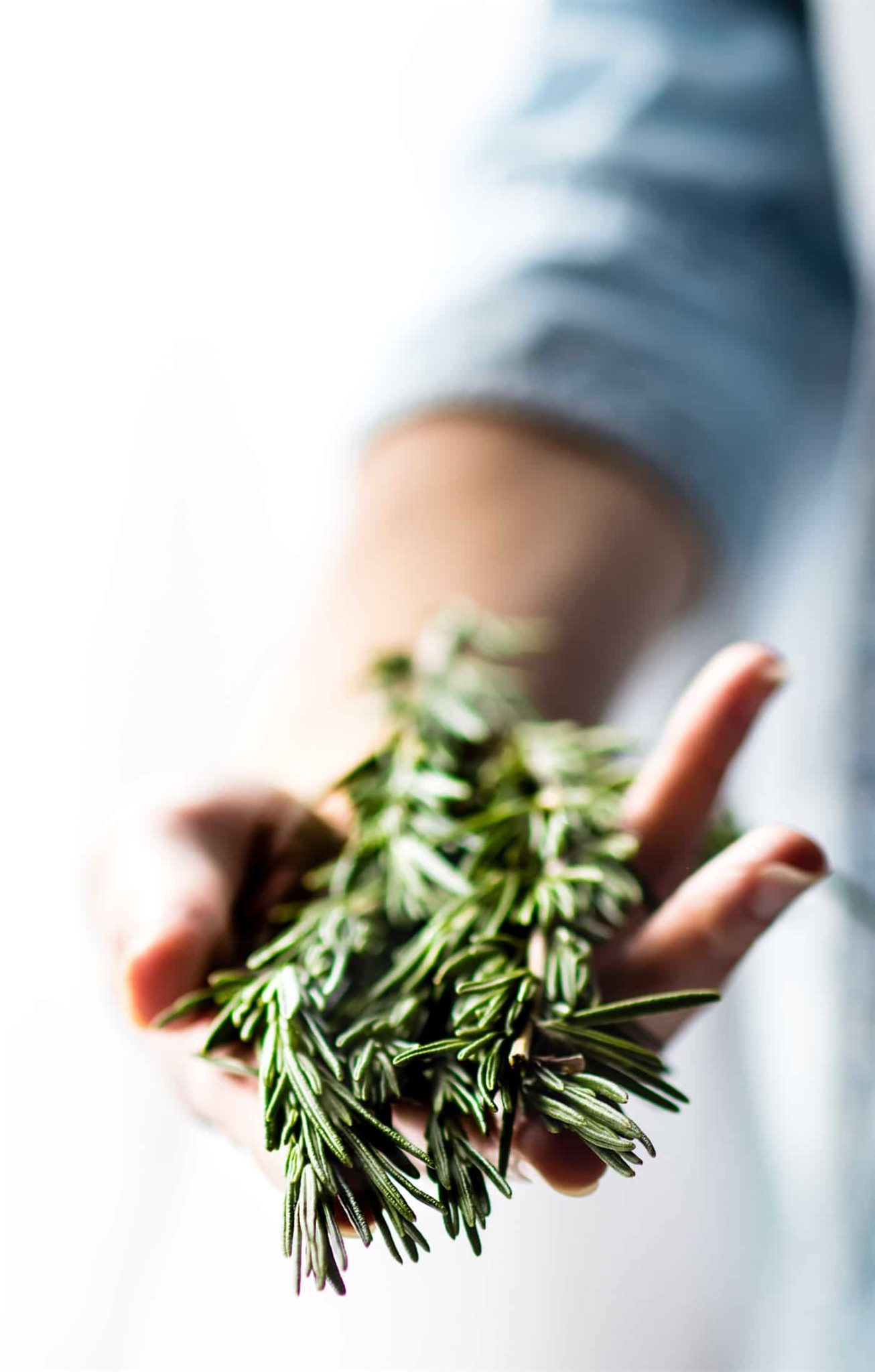
- For bolder, more distinct flavors, add herbs at the end of the cooking process.
- For more blended flavors such as with sauces, add herbs to recipes in the beginning of the cooking process.
Cooking Tip: Crush herbs before adding them to a dish for a bolder flavor.
Spices
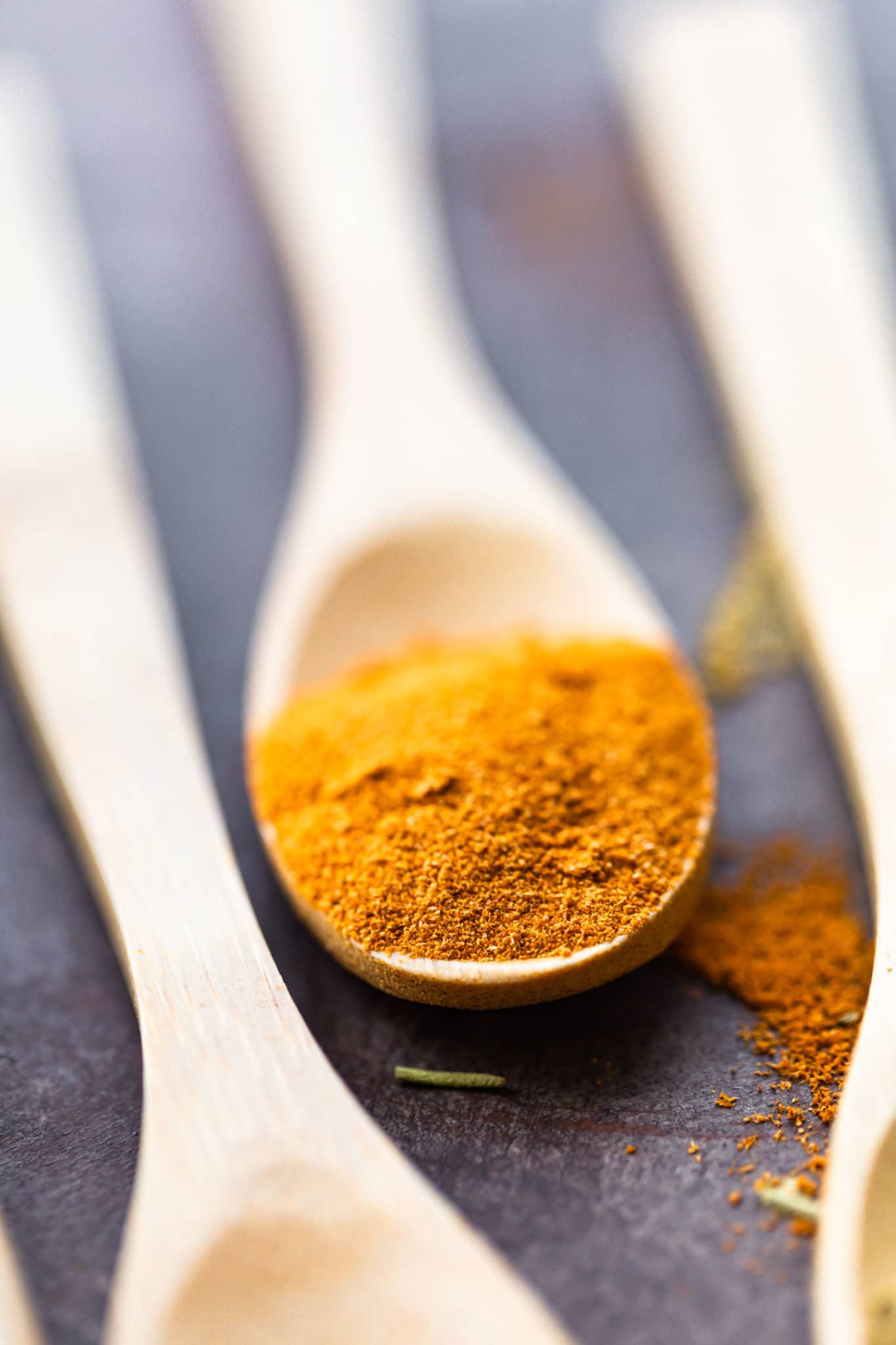
- Ground spices should be added at the end of cooking to prevent them from cooking out of the dish.
- Whole spices release their flavor more slowly and should be added at the beginning of cooking in order to release their flavor.
Example Day of Eating
Looking for more ideas of how to include this herbs and spices list in your everyday diet? Take a look at this example day of eating with nourishing recipes made with fresh herbs and healing spices that add flavor and improve your health!
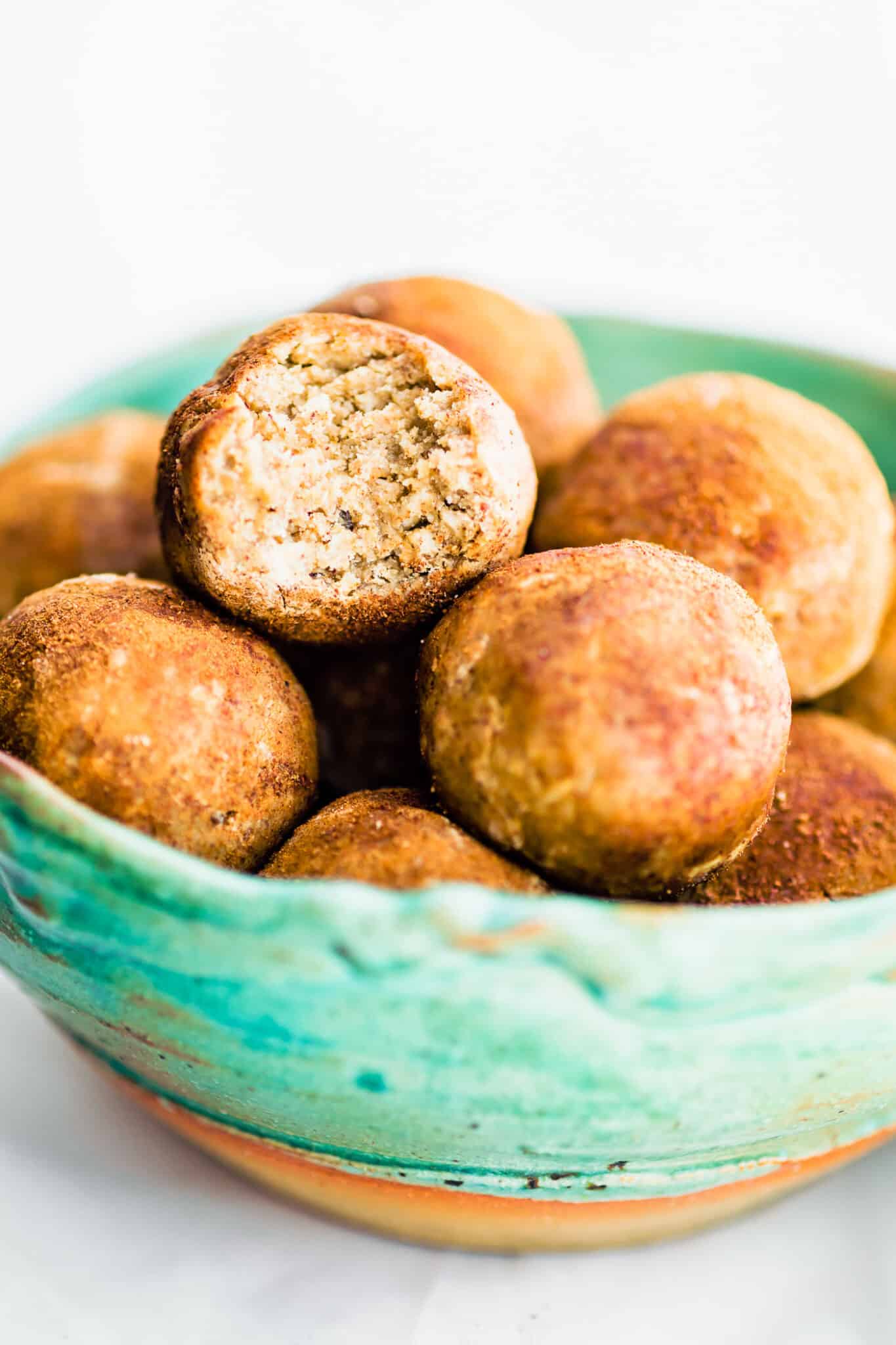
Breakfast: Cinnamon Breakfast Bites
Make these gluten-free, no-bake cinnamon breakfast balls with protein for a simple, nutritious breakfast or snack perfect for on-the-go!

Healing Drink: Apple Cider Vinegar Shrub
Learn how to make this zesty apple cider vinegar drink recipe with a handful of ingredients for a morning cocktail full of health benefits!
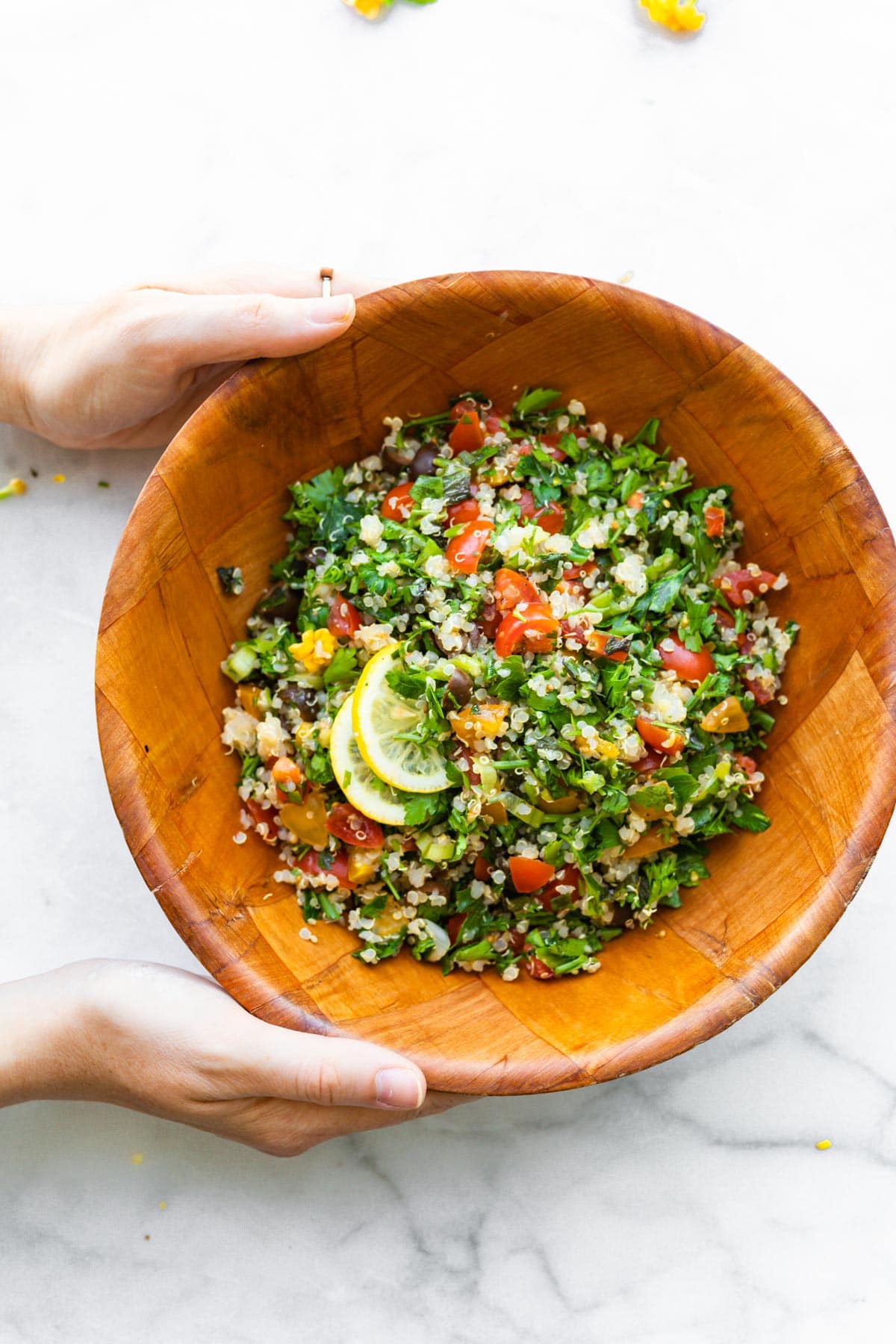
Lunch: Gluten-Free Quinoa Tabouli
This tabouli salad has quinoa instead of bulgur, making it a fantastic gluten free summer salad! Make this fresh, healthy meal in just 20 minutes.

Snack: Roast Pumpkin Seeds
These roasted pumpkin seeds come in a variety of flavor options from sweet to spicy and everything in between for a festive snack full of nutrients!
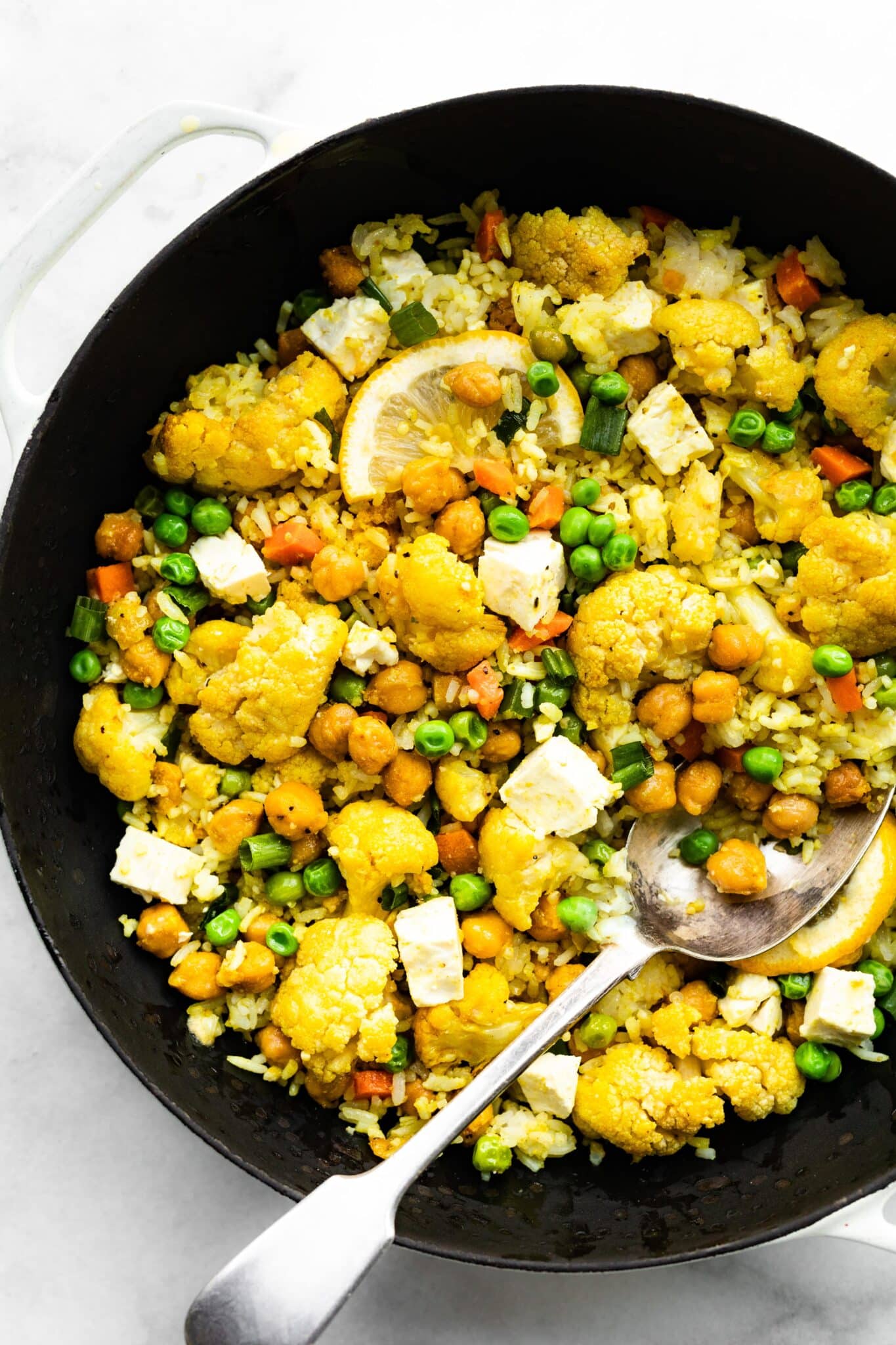
Dinner: Curried Cauliflower Chickpea Bake
Prepare this curried cauliflower bake with chickpeas using simple ingredients for a quick and easy recipe full of flavor, nutrients, and plant-based protein!







Rate & Comment